Penedès Wine Region Map: Cava Country from Barcelona
Interactive map of the Penedès wine region and Catalan cava country from Barcelona — Sant Sadurní d'Anoia, Vilafranca, Freixenet & Codorníu, plus bookable winery tours.
Spain’s sparkling-wine country starts barely 45 minutes from Barcelona. This map plots the Penedès DO — the Catalan wine region south-west of the city — so you can see how its three pieces fit together before you go: Sant Sadurní d’Anoia, the small town that makes roughly 95% of all Spanish Cava and houses the giants Codorníu and Freixenet; Vilafranca del Penedès, the still-wine capital and home of producers like Torres; and the vineyard country in between, where the small-group 4WD day tours actually drive into the vines.
Use the coloured pins to see where each winery sits relative to Barcelona (marked in grey as your starting point). Tap an area to light up its tours, click a pin for prices and ratings, or hit ◉ Locate on any card to fly the map straight to that cellar. Everything here is bookable, and most tours pick up in central Barcelona — so you can compare a quick cava cellar visit in Sant Sadurní against a full day deep in the Penedès without leaving this page.
Travellers also search
Tap an area below (or a coloured pin) to light up its tours — the rest stay as dots. Grey pins are reference points like Barcelona. Click any pin for its tour card, or ◉ Locate on a card to fly the map to the winery. Map data © OpenStreetMap contributors.
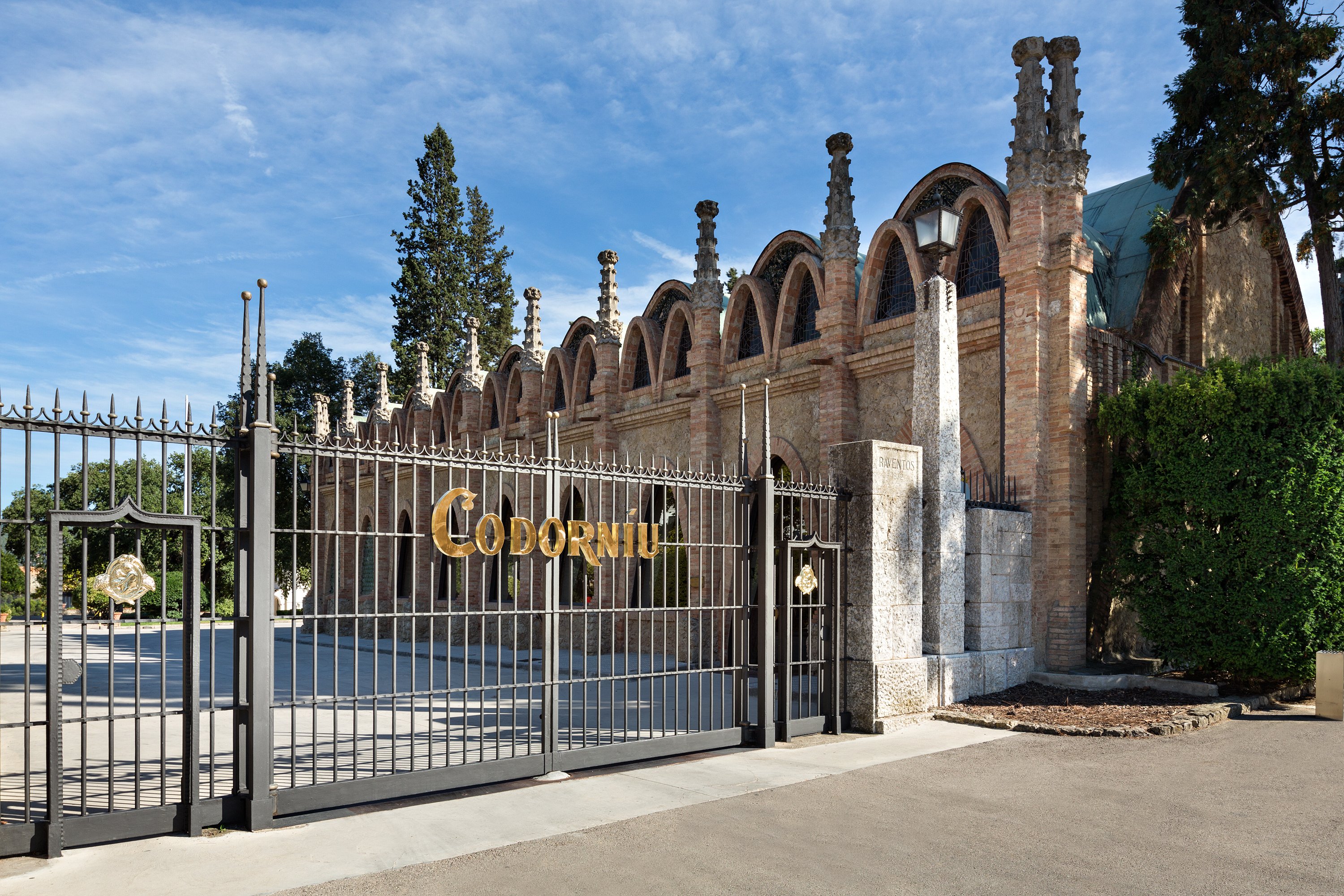
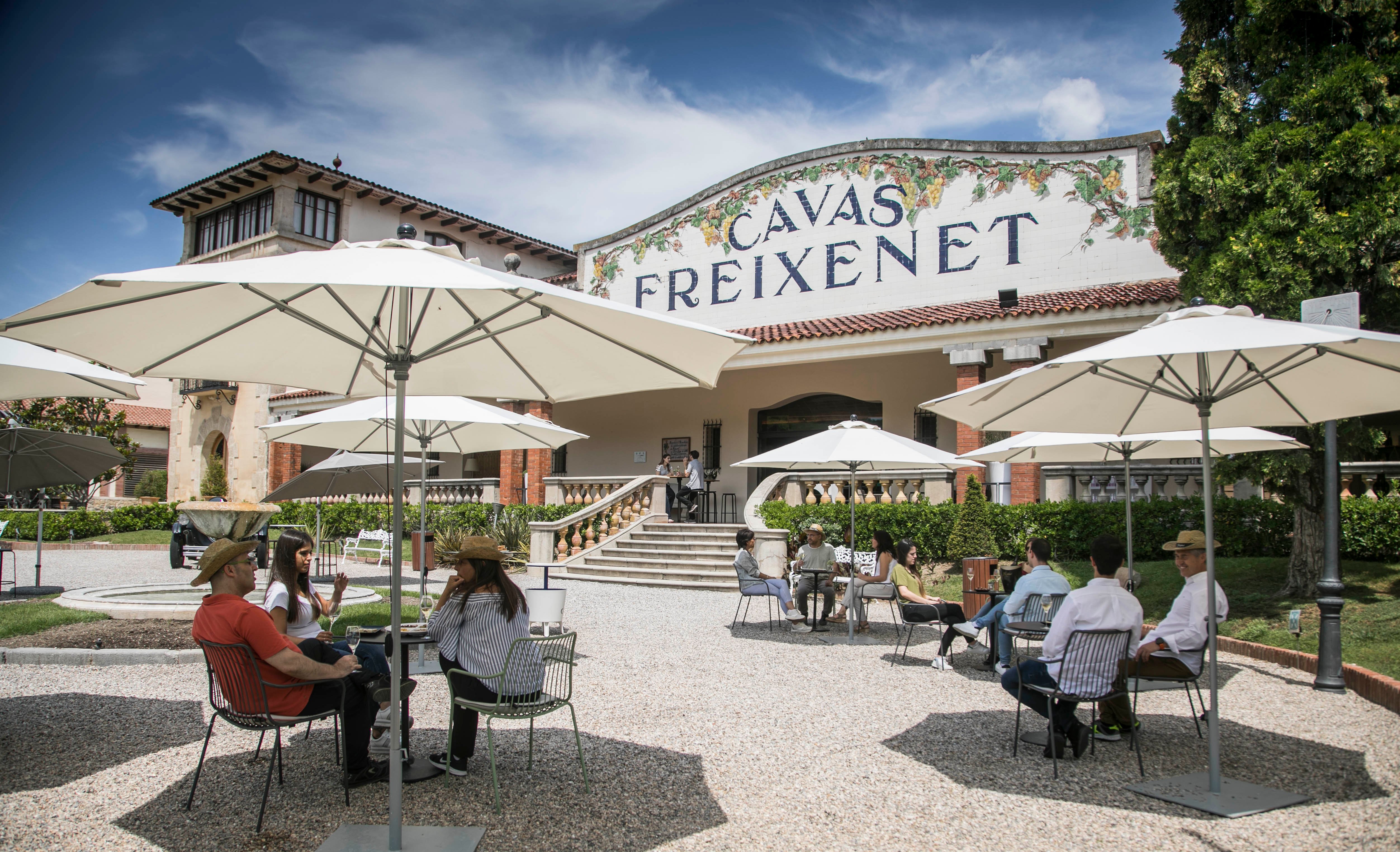
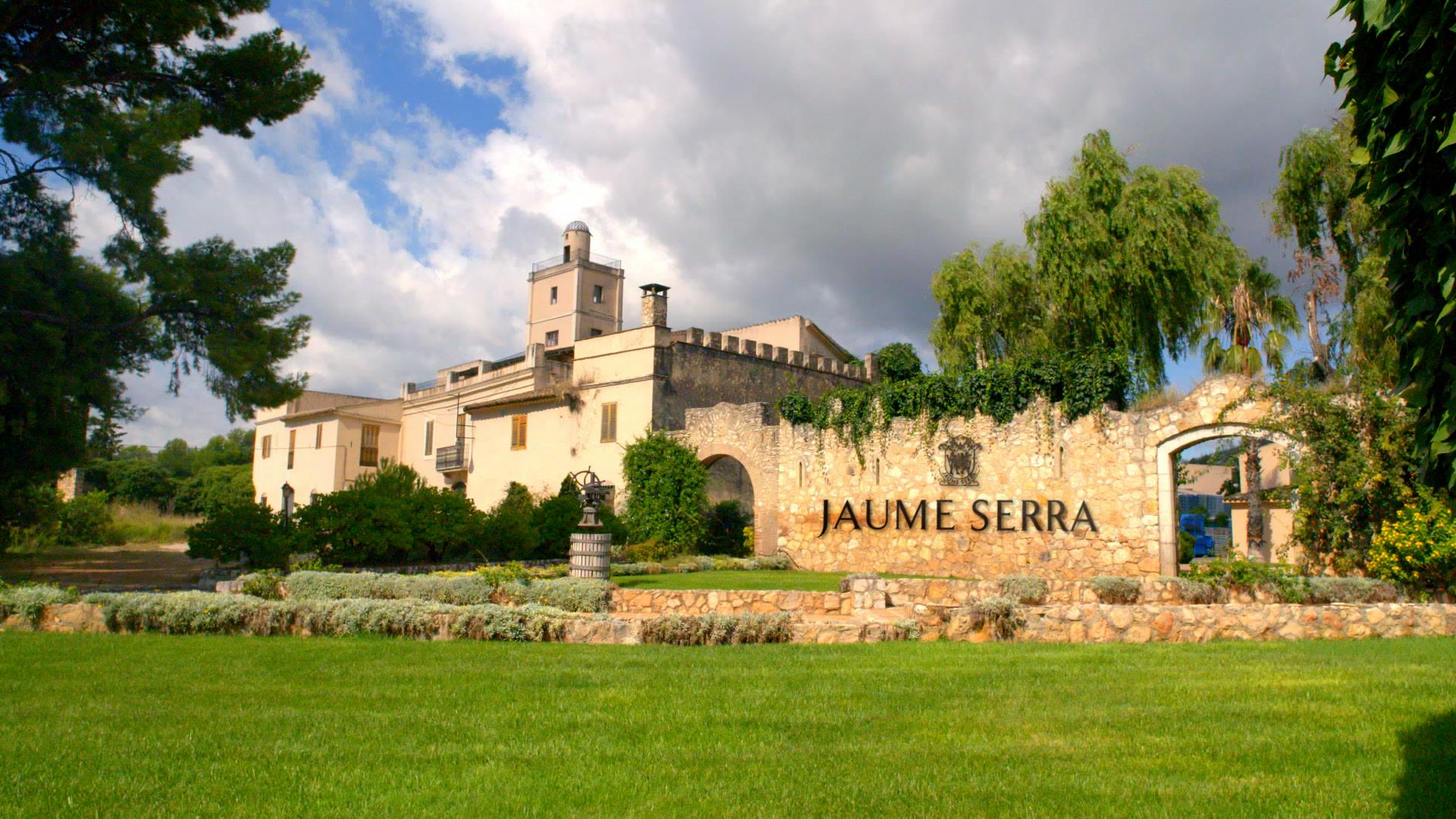
The small town of Sant Sadurní d'Anoia produces around 95% of all Spanish Cava and is home to the two largest houses — Codorníu and Freixenet, whose cellars sit minutes apart beside the station. It's about 45 minutes from Barcelona on the R4 Rodalies commuter train, making it the easiest cava cellar visit to reach under your own steam.
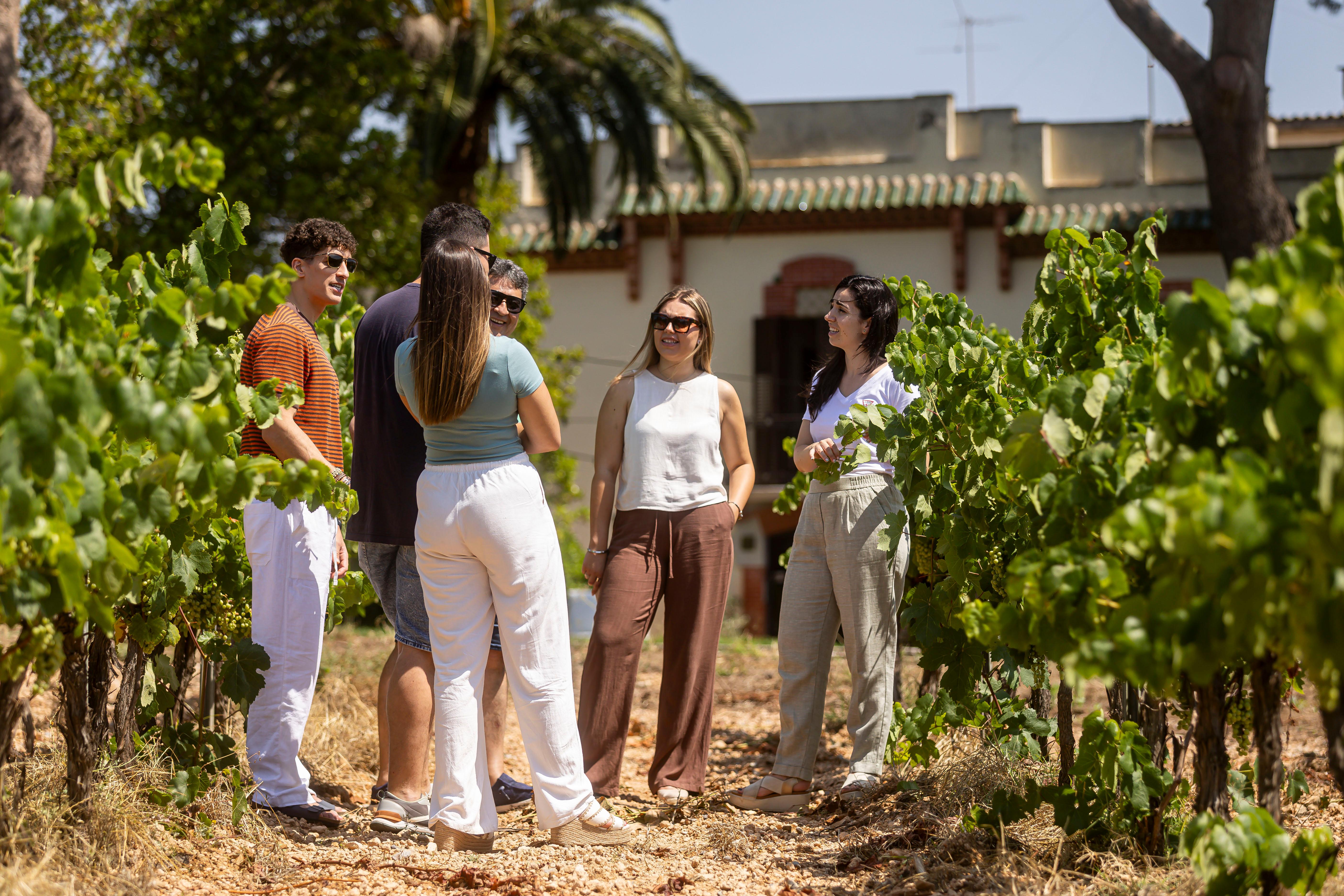
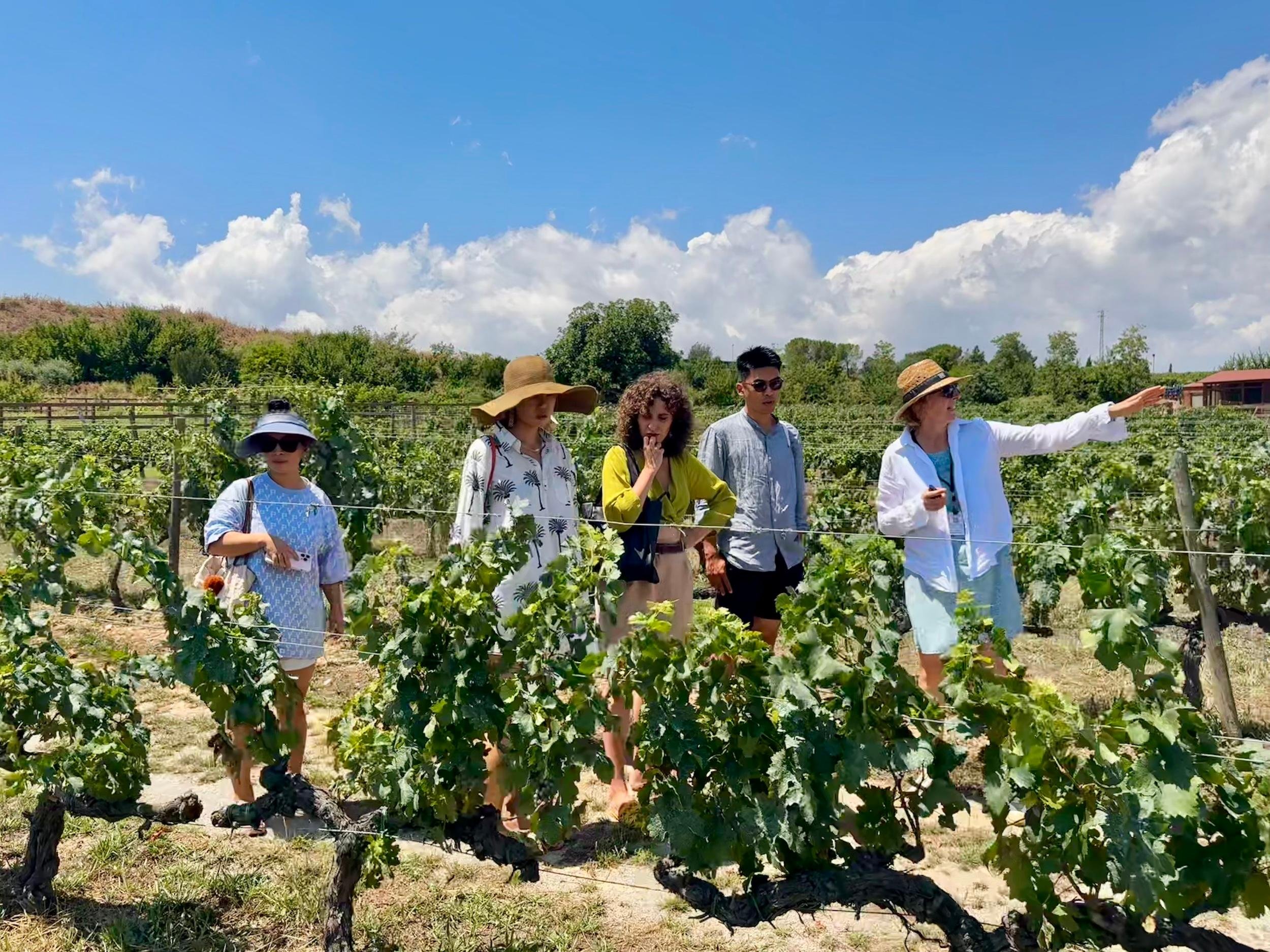
Inland from Sant Sadurní, the Penedès DO rolls out across limestone hills planted with Xarel·lo, Macabeo and Parellada. These small-group day tours from Barcelona — including our featured 4WD vineyards experience — drive farm tracks straight into the vines, pairing two family wineries with tastings of still wines and Cava.


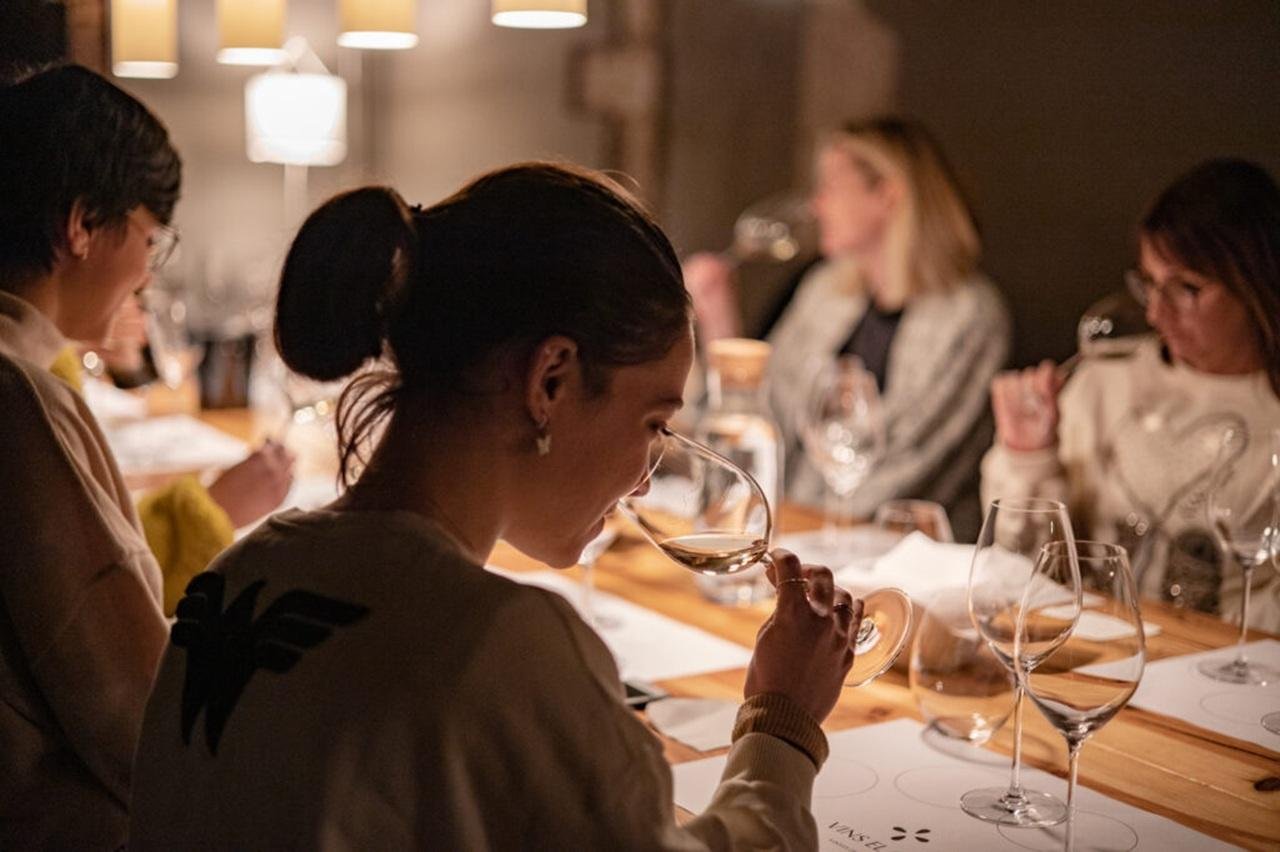
Vilafranca del Penedès is the wine capital of the region and the heart of its still-wine scene — home to producers such as Torres. Tastings here lean toward elegant whites and reds rather than sparkling, with cellar tours and cheese pairings a short hop from the town centre.
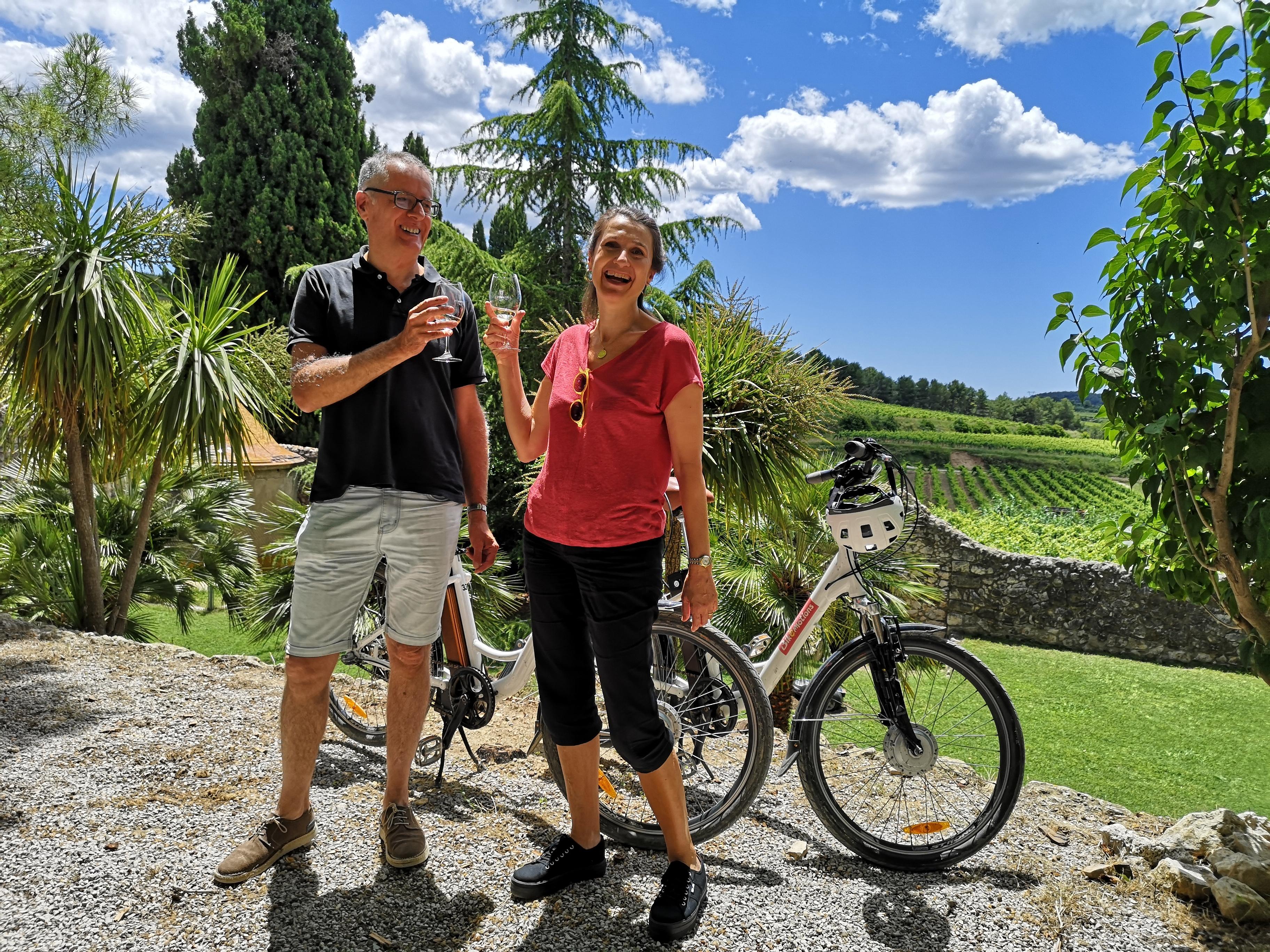
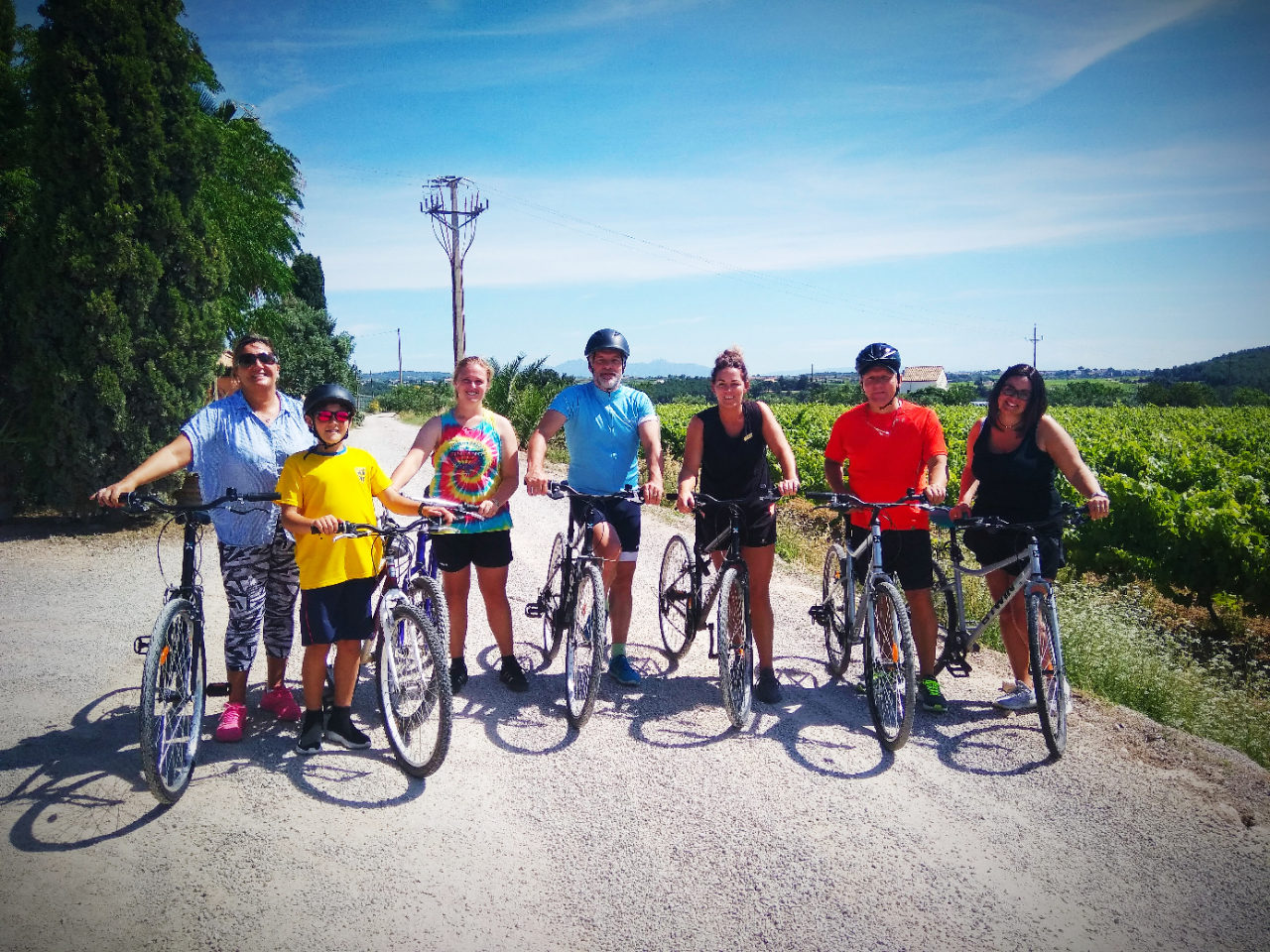
Prefer to earn your tasting? Self-guided e-bike loops roll between Penedès wineries on quiet vineyard lanes, while down on the coast near Vilanova i la Geltrú a cava bodega overlooks the Mediterranean — a different, lower-key side of Catalan wine country.
Book the Featured Penedès 4WD Vineyards Tour →
The map shows the wineries; our top-rated experience puts you in them. A central-Barcelona pickup, then 4WD through the Penedès DO to two family wineries — three still wines, four Cavas, a 10th-century chapel, and local cheese and charcuterie. Rated 4.8/5 by 847 guests.
Check Availability & BookPlanning the day? Read what to expect on a Barcelona winery tour, compare the Penedès vs Priorat wine regions, learn how Cava differs from Champagne, or get to grips with the Catalan DO & DOQ system. Or just book the featured Penedès 4WD vineyards tour.
Penedès Wine Region & Cava Map — FAQ
How to use this map of Catalonia's cava country, and the questions travellers ask before visiting from Barcelona.
The Penedès DO sits south-west of Barcelona, between the Mediterranean coast and the inland hills of Catalonia. Its three anchors all appear on the map above: Sant Sadurní d'Anoia (the cava heartland), Vilafranca del Penedès (the still-wine capital), and the vineyard country in between that the 4WD day tours explore.
It's close — Sant Sadurní d'Anoia is about 45 minutes from Barcelona on the R4 Rodalies commuter train (departing Sants and Passeig de Gràcia), and roughly an hour by car. That short distance is why a Penedès cava cellar visit works easily as a half-day or full-day trip; see what to expect on the day.
Sant Sadurní d'Anoia. This one small town produces around 95% of all Spanish Cava and is home to the two largest houses, Codorníu and Freixenet, whose cellars sit minutes apart by the railway station. Both run guided cellar tours with tastings — find them in the Sant Sadurní zone of the map.
Yes. Both offer guided cellar visits with cava tastings, and both are bookable — they're pinned in the Cava Heartland zone on the map. Codorníu's winemaking roots in Sant Sadurní go back centuries and its modernista cellars are an architectural draw in their own right; Freixenet sits right beside the station. Or skip the logistics and join a small-group tour that visits family wineries by 4WD.
Not legally — Cava is a pan-Spanish Denominació d'Origen that can be produced in several regions across Spain. In practice, though, about 95% of all Cava comes from Catalonia, and most of that from the Penedès around Sant Sadurní. It's a different drink from Champagne despite the shared traditional method — we break down the cava vs Champagne differences in a separate guide.
Penedès is the gentler, sparkling-led region close to Barcelona — cava, fresh whites and easy day trips. Priorat (DOQ) is further inland and mountainous, famous for powerful, mineral reds from old Garnatxa and Carinyena vines on its trademark llicorella slate. We compare them side by side in the Penedès vs Priorat day-trip guide.
Cava relies on three traditional white grapes — Macabeo, Xarel·lo and Parellada — while the still wines add international varieties and Catalan grapes like Garnatxa Blanca. The whole naming system, from DO to DOQ, is explained in our Catalan DO & DOQ guide.
Two good options. For a do-it-yourself cava visit, take the R4 train to Sant Sadurní d'Anoia and walk to a cellar. To reach the vineyards themselves — the farm tracks, the family wineries, the hillside chapel — a guided small-group 4WD tour handles all the transport and tastings in one round trip from central Barcelona.
Still have questions? Email us at info@barcelonawinerytour.com